
Quel est le problème de votre étang ?
Voir toutes les solutions
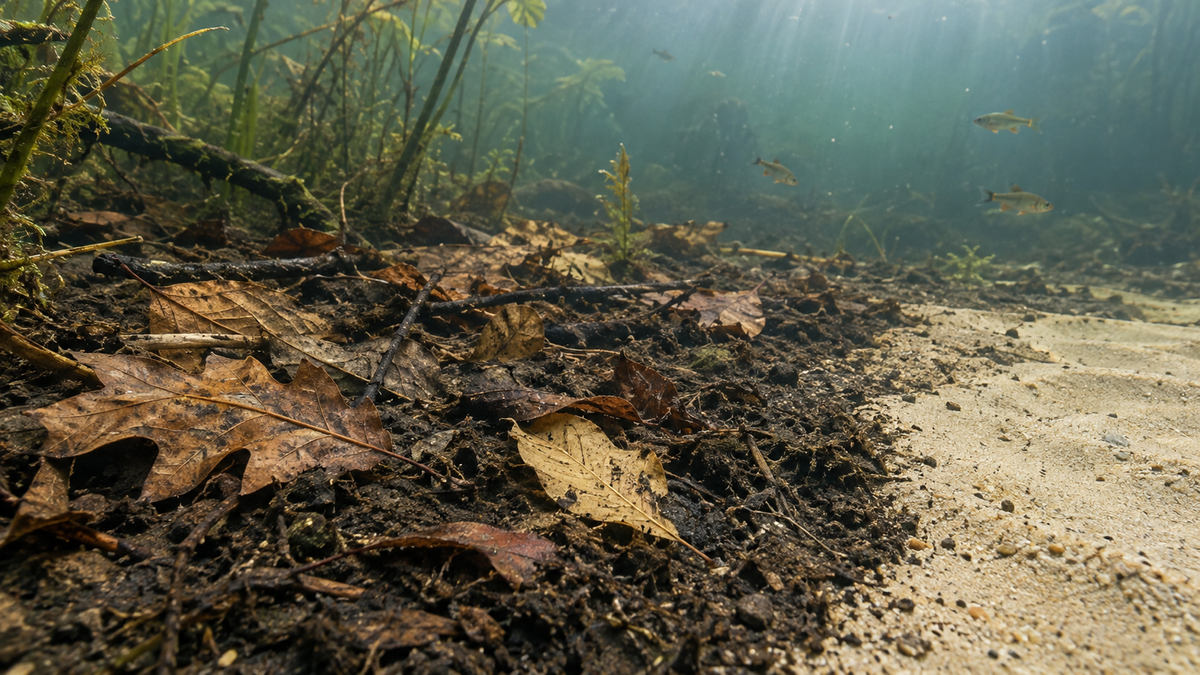
Autumn: reduce sludge before winter
Falling leaves become tomorrow’s sludge. This is the best time for an application of Bactovase or Nautex.
 Aquipond Bactovase 25 kg – Bacteria to reduce pond sludge (125 to 250 m²)
€375,00
 Aquipond Bactovase 1 kg – Bacteria to reduce pond sludge (5 to 10 m²)
€39,95
 Aquipond Bactovase 2.5 kg – Bacteria to reduce pond sludge (12.5 to 25 m²)
€89,95
 Aquipond Bactovase 5 kg – Bacteria to reduce pond sludge (25 to 50 m²)
€149,95
Aquipond essentials


They trust us with their water bodies








Professionals and public bodies
Golf courses, campsites, municipalities, parks, estates, fish farms, landscapers and resellers: we size treatments for your water bodies and open a professional account for you.
- Custom quotes and sizing
- Large sizes: 25 kg bags, pallets
- Invoicing with your EU VAT number
Talk to an Aquipond expert
Every pond is different. Tell us about yours and we will tell you what to do, free of charge and with no obligation.
Or message us in the chat, at the bottom left of the screen.
Frequently asked questions
Why is my pond water turning green?
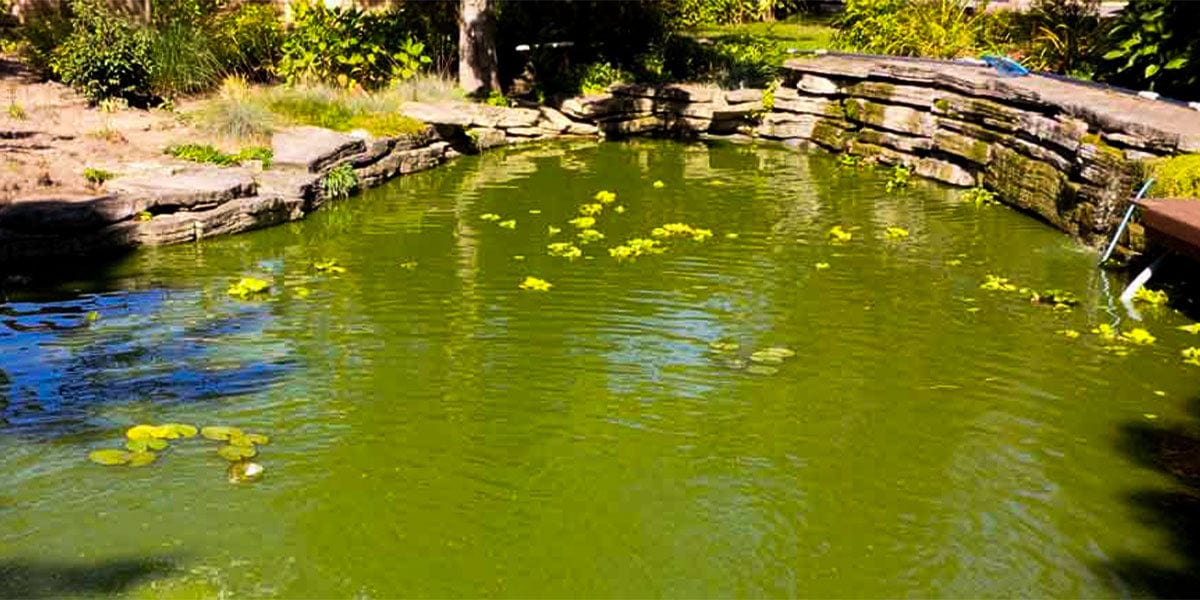
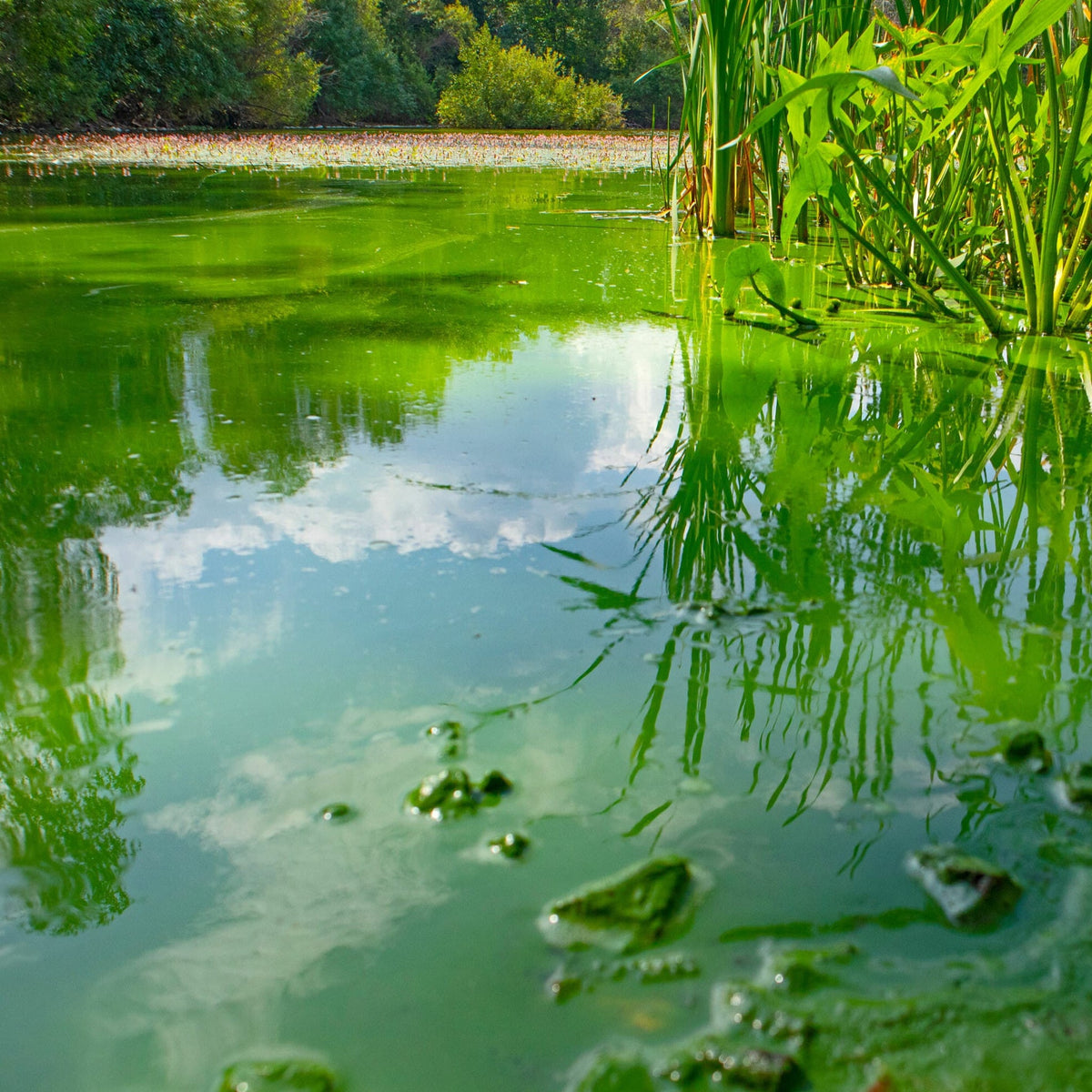
Green water comes from excess nutrients (phosphorus, nitrates, organic matter) combined with light and water that lacks minerals. The lasting answer: mineralise the water, add bacteria that consume organic matter and, if needed, bind the phosphorus. Our diagnostic tells you which products and doses to use.
How can I reduce sludge without dredging?
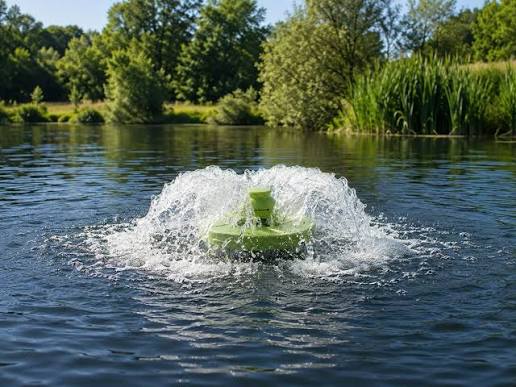
Bactovase bacteria settle on the sludge and break down its organic fraction, with no machinery and no draining. Plan two applications a year, in spring and autumn. Good oxygenation, with bottom aeration or a surface aerator, speeds up their work.
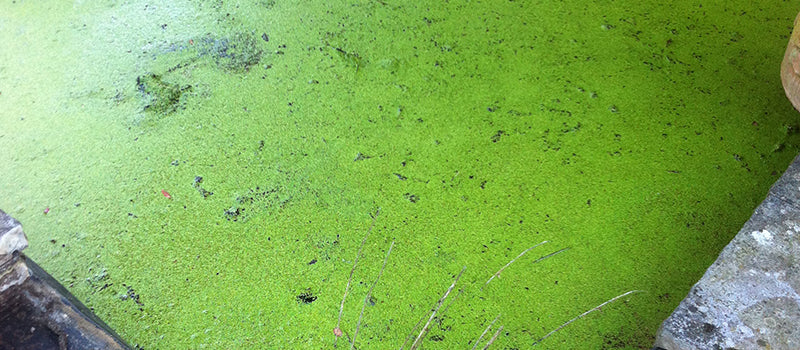
How do I get rid of duckweed?
First net out as much duckweed as possible. Then mineralise the water (MinerAll In One or Nautex depending on volume), bind the excess phosphorus with SeDox Max to deprive duckweed of nutrients, and let bacteria digest the organic matter. Blue Lake completes the treatment.
Are your products safe for fish?
Our bacteria, minerals and Nautex chalk are compatible with fish, plants and pond wildlife when the indicated dose is respected. Each product page states the dose and the precautions for use.
When should I treat my pond?
Bacteria work as soon as the water is above 10–12 °C: that is the right time to start the season. Bactovase and Nautex are ideally applied in spring and autumn. In summer, watch the oxygen level, especially at night.
How do I calculate the volume of my pond?
Multiply the length by the width and by the average depth (in metres): you get the volume in m³. The calculators on our product pages and our diagnostic do the maths for you from the surface area.
Do you deliver to France, Belgium, Portugal and Spain?
Yes. We ship to France, Belgium, Portugal, Spain and across Europe. Delivery is free from €149.
I am a professional or a public body: how do I order?
Request a professional account with your EU VAT number. We size the treatments for your water bodies and offer large sizes (25 kg bags, pallets).
Centre d'apprentissage pour gestionnaire de milieux aquatiques
Découvrir tous les conseils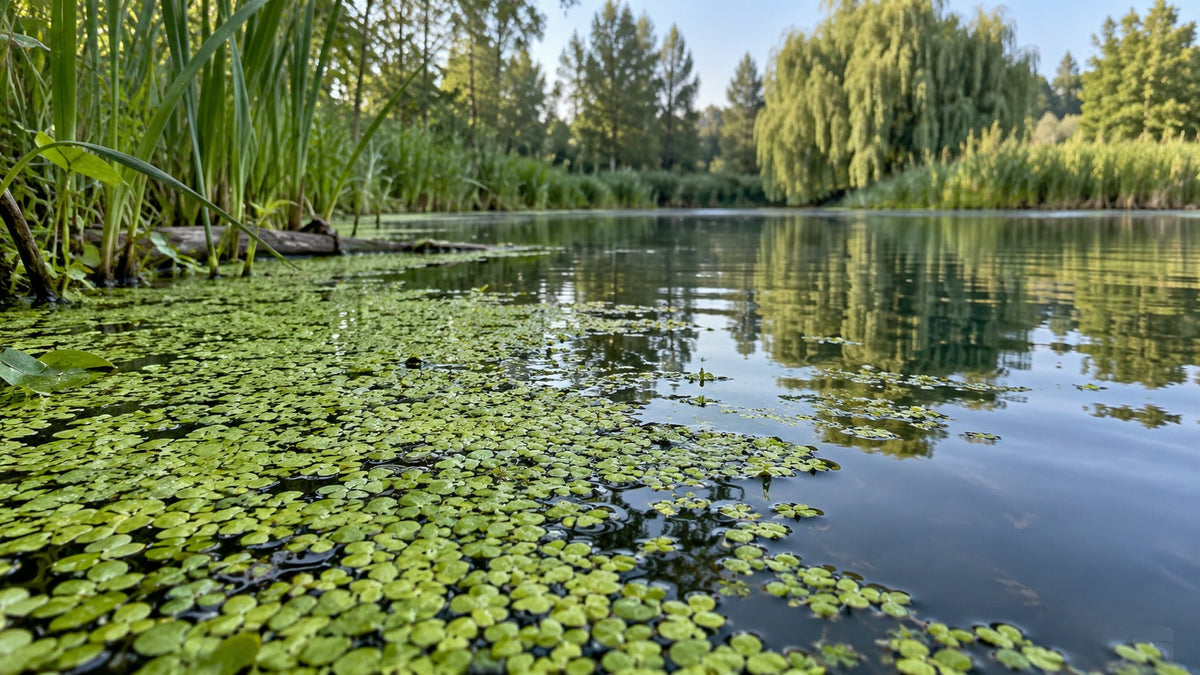
Traitement des lentilles d’eau en étang : quel pack choisir ?
Espèces, vitesse de croissance, nutriments et vase : comprenez les lentilles d’eau et le rôle de Nautex, SeDox Max, Bactovase et Blue Lake pour choisir votre pack Aquipond.
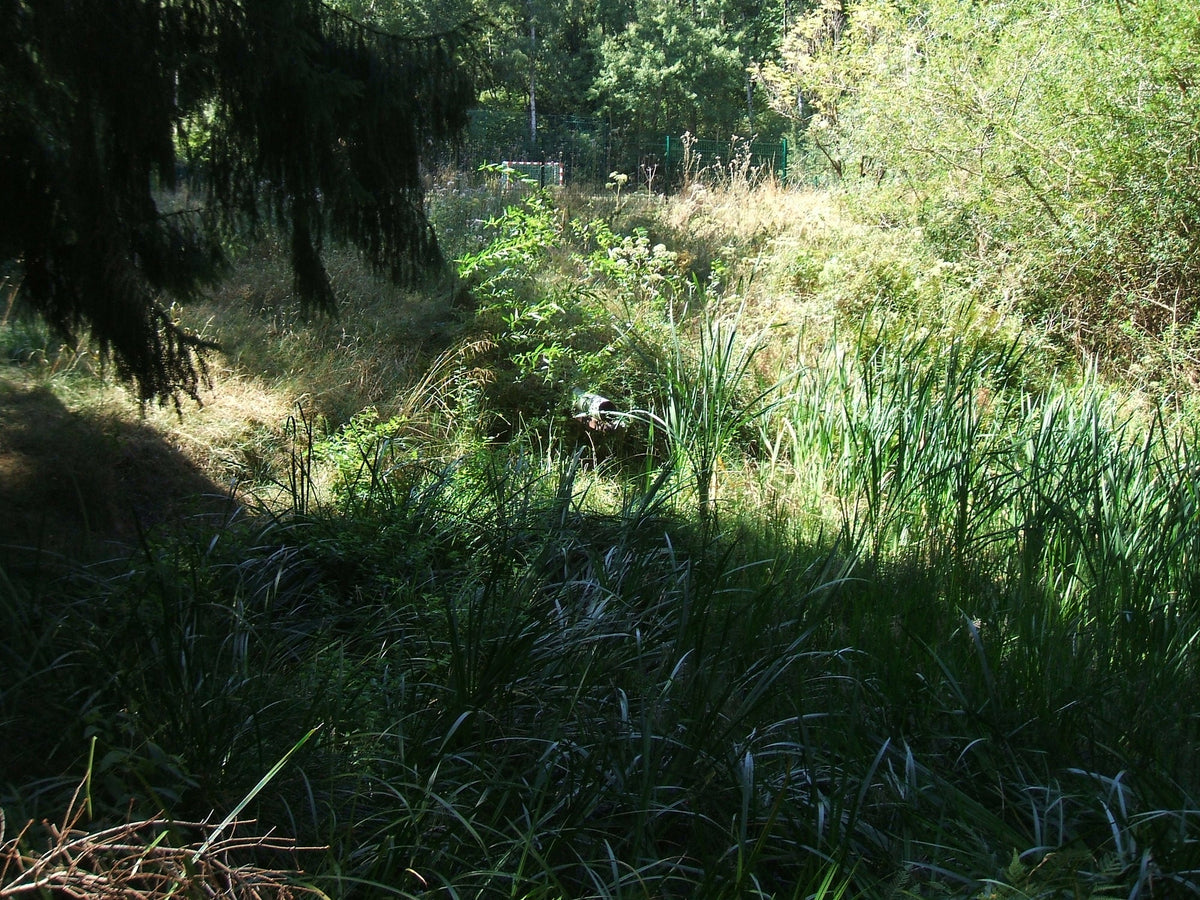
Entretien étang naturel : le calendrier mois par mois
Que faire dans votre étang naturel chaque mois de l'année ? Calendrier sur 12 mois, gestes par saison et erreurs à éviter pour garder une eau équilibrée sans tout nettoyer.
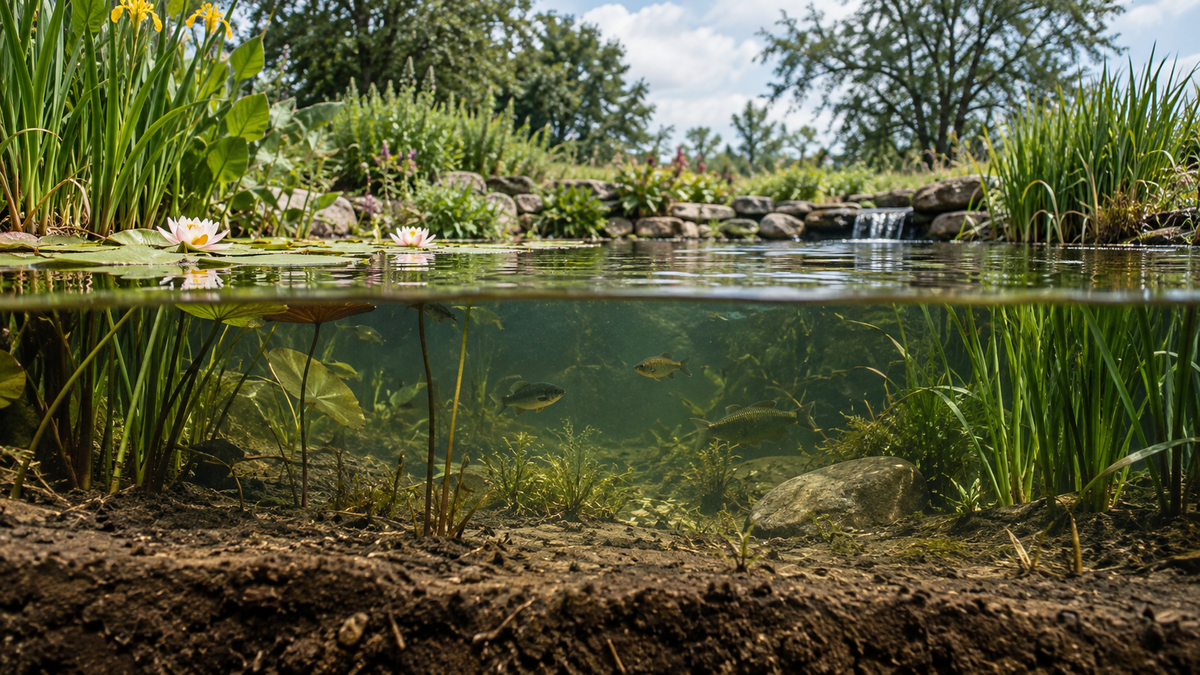
Bactéries pour bassin : choisir selon le besoin réel
Les bactéries pour bassin ne répondent pas toutes au même besoin.
The right step at the right time for your water body
Get our seasonal advice tailored to the size of your pond or lake: what to do, when, and at what dose.
- The maintenance calendar, season by season
- Key steps against algae, sludge and lack of oxygen
- An expert answers your questions
