
A pond with high sun exposure may require careful management of light and nutrients. Among the solutions offered by Aquipond, Blue Lake 10 is a pond water dye. Its purpose must be understood before purchase: changing light penetration does not remove waste, filter the water, or guarantee the absence of algae.
This guide helps you determine if this approach is right for your body of water, prepare the necessary information, and choose a package size. Aquipond has been around since 1998 and promotes a comprehensive approach to maintenance: the right product must have a specific role, fit the pond's operation, and be used according to its instructions.
What is Aquipond Blue Lake 10?
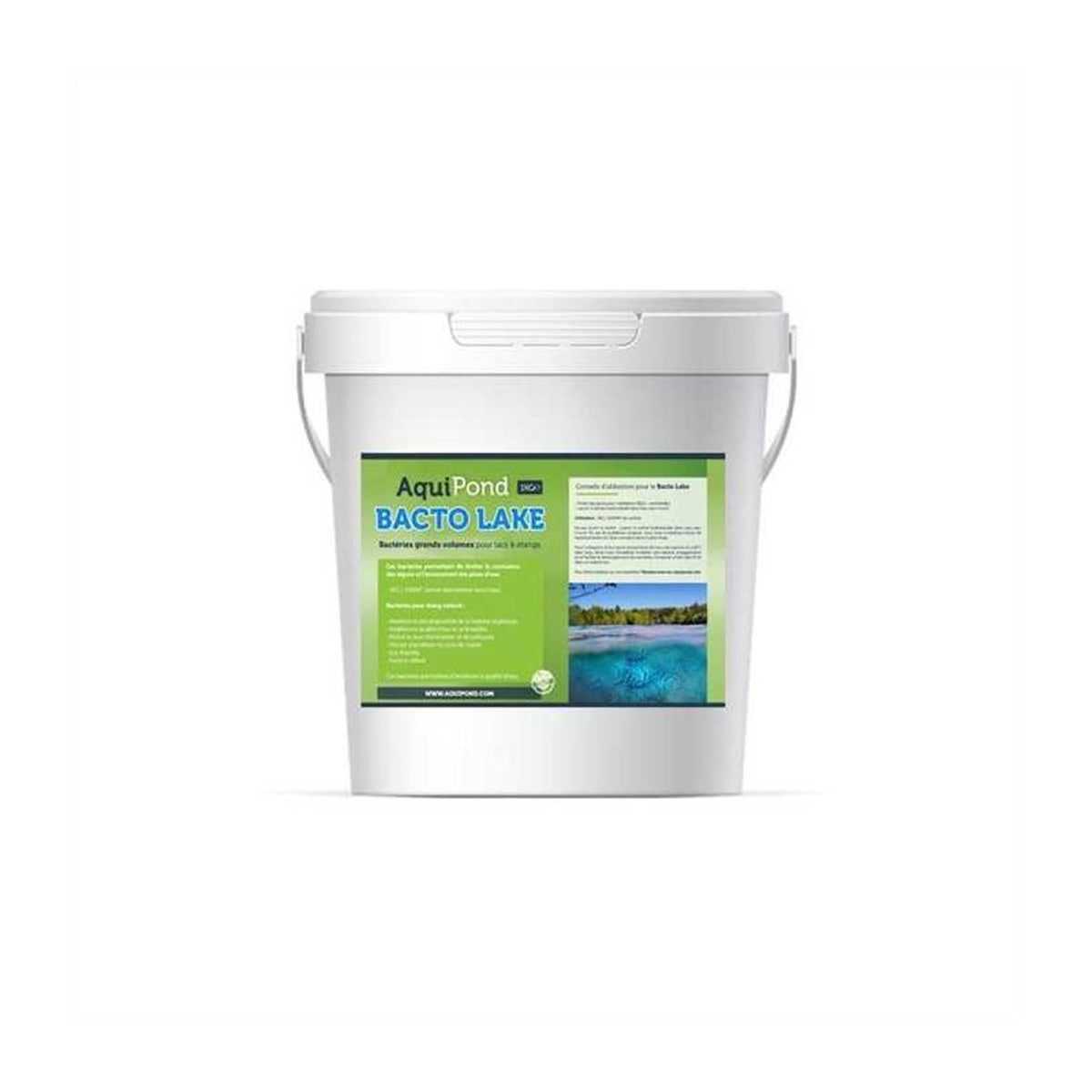
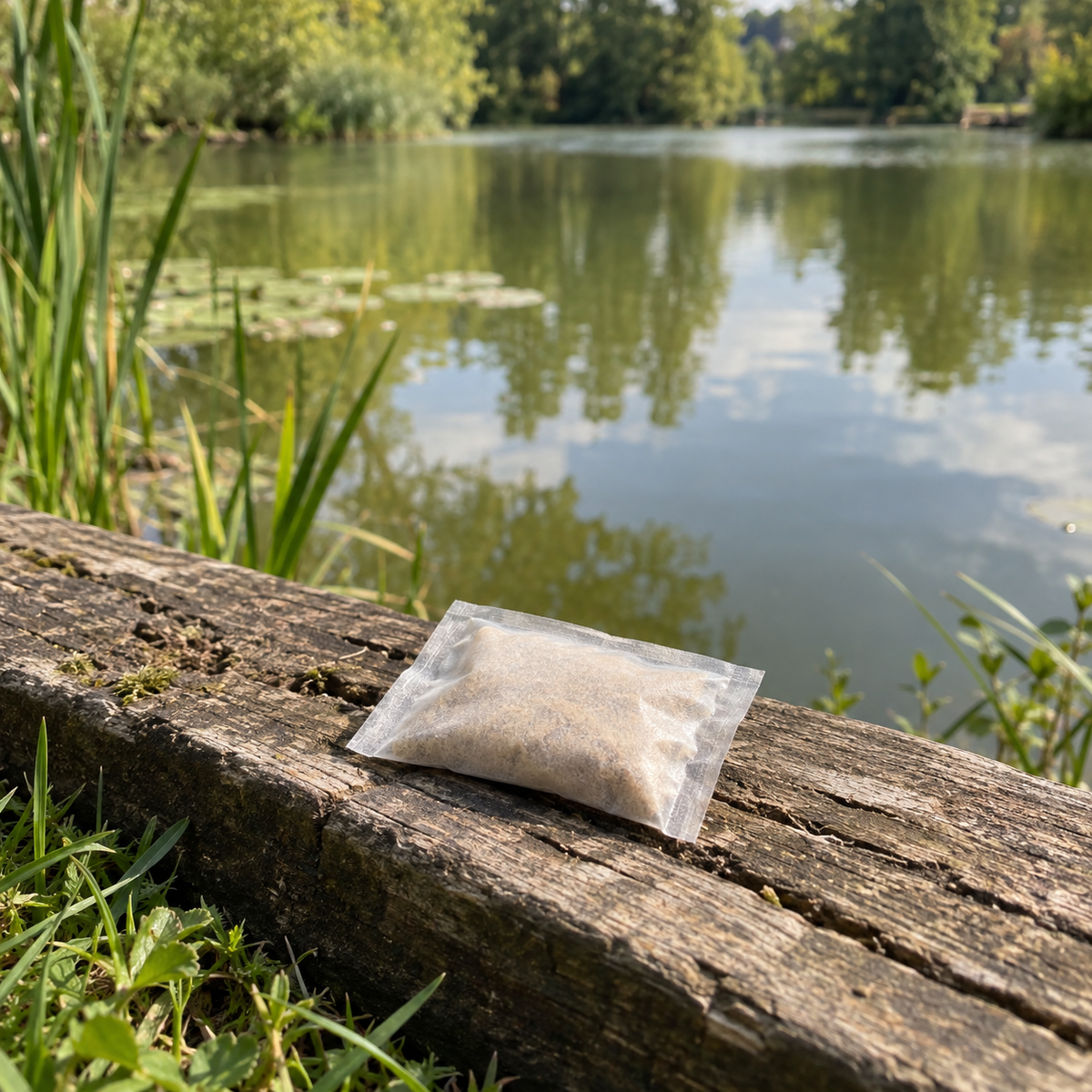
Blue Lake 10 is presented in the Aquipond range as a concentrated dye for ponds. The one and five kilogram references are packaged, according to their data sheets, in one-hundred-gram sachets. This presentation makes it easier to identify the format, but it does not mean you should not check the instructions for use of the product actually received.
The desired mechanism with a pond dye is a modification of the light that passes through the water. The result depends on the concentration, depth, initial clarity, and water renewal. Two ponds of the same surface area will therefore not necessarily respond in the same way. The product must be considered based on the actual situation of the site.
The commercial term "natural" should not be interpreted as a universal authorization for all uses of water. Check the intended use, precautions, and compatibilities on the current labeling. Water intended for swimming, drinking, irrigation, or connected to a stream requires specific validation before any application.
Understanding the role of light without confusing technologies
Algae and plants use light for photosynthesis. A dye can reduce its penetration into the water column and thus change the growth conditions of certain submerged plants. This explanation should not be reduced to ultraviolet rays alone: photosynthesis mainly uses visible light. Its operation also differs from that of a UV filtration device.
A UV device acts on the water passing through equipment designed for this purpose. A dye acts on the optical characteristics of the body of water. These two approaches are therefore not interchangeable, and neither automatically replaces the management of nutrient inputs. To choose, start by identifying what you wish to correct: water color, suspended algae, submerged vegetation, or another problem.
A more pronounced color is not proof of better quality. The goal is not to obtain the most intense blue possible. You must respect the intended dose and maintain a clear view of the pond's condition. An aesthetic change can visually mask a problem without eliminating its cause.
In what situations is this solution worth considering?
Blue Lake can be considered for a pond where light management is a relevant lever, with use compatible with the instructions. First describe the sun exposure, depth, water inlets, and plants concerned. A shallow pond, one with high water renewal, or one primarily designed for submerged plants does not have the same constraints as a large ornamental body of water.
Also specify the expected result. Are you mainly looking for a particular visual appearance? Do you wish to integrate light management into a broader program against an identified proliferation? These objectives must be distinguished. Advice based on a vague symptom such as "my pond is dirty" easily leads to choosing a function that does not match the problem.
Before purchase, prepare a few photographs taken under normal conditions, without a color filter. Show the surface, the banks, and a visual sample of the plants concerned. Comparable images accompanied by dimensions make the choice much easier than a very close-up photograph without a scale.
What Blue Lake does not replace
A dye does not remove phosphorus, leaves, food waste, or already accumulated sludge from the pond. It does not repair a failing filtration system or compensate for an unsuitable fish population. If nutrient inputs remain excessive, they must be addressed in the maintenance program.
Light management below the surface also does not guarantee control of a floating mat or vegetation already established near the surface. Organisms that remain well lit do not necessarily encounter the same limitations as those located lower down. Therefore, precisely identify the type of proliferation before concluding that the solution is suitable.
Finally, Blue Lake is not presented here as a disinfectant or as a treatment validating swimming safety. Blue and pleasant-looking water may still require testing. For suspected cyanobacteria, the priority is identification and risk management, not concealing the color.
Respecting the plants you wish to keep
If the pond's goal is to promote submerged vegetation, a reduction in light may contradict this project. List the plants you want to keep and their placement. Do not think solely in terms of "useful" and "undesirable" plants: the optical mechanism does not identify your preferences.
In a planted pond, first examine the balance between natural shade, free surface, depth, and maintenance. A water lily provides localized shade, while a dye changes the light in the water. The choice must take into account the composition of the pond and its evolution, not just an inconvenience observed for a few days.
Plant names mentioned in an old commercial presentation do not, on their own, constitute a guarantee of effectiveness on every species and in every environment. For an invasive or difficult-to-identify plant, have its name confirmed and an appropriate management method for the local context.
Blue Lake package sizes available on Aquipond
The Aquipond Blue Lake 10 one-kilogram format is described as a set of ten one-hundred-gram sachets. It allows you to view the product's characteristics and the indications associated with this package size. Check the instructions and the intended need before deducing how long the package will last in your pond.
The five-kilogram format of Blue Lake 10 is described as fifty one-hundred-gram sachets. The choice of a large package must take into account the actually validated program, storage conditions, and the ability to use the product correctly. Buying more does not authorize a more concentrated application.
To compare formats, use the total quantity and the confirmed dose for your use. As prices and availability are subject to change, the Aquipond sheets constitute the point of consultation to favor. A cost calculation per intervention only makes sense once the protocol for your pond is defined.
Preparing the application: information to gather
- The actual surface area of the body of water and the main depths.
- The use of the water and any connections with an external environment.
- The inlets, overflows, and usual renewals.
- The fish and plants you wish to keep.
- The nature of the observed problem and the interventions already carried out.
- The exact name, package size, and instructions of the chosen product.
Surface area and volume must not be confused. An instruction expressed per square meter does not freely convert to an instruction per cubic meter. Similarly, the doses of a liquid presentation or another brand do not automatically apply to Blue Lake 10. In case of a difference between an old sheet and your packaging, have the instruction clarified before use.
This guide deliberately does not set a universal dose: the information must correspond to the validated formulation and use. The best practice is to confirm the current instructions with Aquipond and to keep this reference in your maintenance log. Once this point is established, follow exactly the application method and the precautions indicated.
After application, observe more than just the color
Note the date, the quantity used, the water level, and the weather. Photograph the same place with a comparable angle and lighting. Reflections of the sky, deeper water, or an image taken against the light can greatly change the perceived color. They should not be confused with a measure of effectiveness.
Also follow the plants you wish to preserve, the behavior of the fish, and the useful water parameters. For this, the water analysis kit for ponds allows you to control several common indicators. Dissolved oxygen requires a specific measurement if the situation demands it. Monitoring must remain proportionate to the risks and the use of the pond.
Do not automatically add more product after every visual change. A rain, an overflow, or a renewal can change the concentration, but the decision to reapply must remain compliant with the instructions. A fixed calendar found in an old article does not replace the observation of actual conditions.
Your tracking sheet after application:
- Date, quantity used, water level, and weather of the previous days.
- Photo taken at the same place, at the same time, without backlight.
- Condition of the plants you want to keep (water lilies, submerged plants).
- Behavior of the fish, especially early in the morning in hot weather.
- A water analysis (pH, KH, nitrites) if the slightest doubt appears.
Combining Blue Lake with consistent maintenance
Start by limiting avoidable inputs. Remove accessible plant waste, prevent clippings from reaching the water, and adjust the fish feeding. Examine runoff inlets if the pond receives soil or nutrients after the rain. These measures address causes that the color of the water cannot eliminate.
If organic sediments are part of the diagnosis, the Aquipond Bactovase range can be considered for appropriate maintenance. If oxygenation is insufficient, examine equipment such as Aquipond Technics Pro Air, after sizing. Each solution has its role, its limits, and its application conditions.
Do not combine treatments simply to create a program that appears more complete. Check their compatibility and the eventual order of interventions. It is preferable to be able to explain the reason for each purchase and follow its effect, rather than simultaneously changing too many parameters.
Frequently asked questions before choosing Blue Lake
Does blue water mean that the pond is healthy?
No. Color is a visual property. It does not inform on its own about oxygen, ammonia, or sanitary quality. Keep the controls appropriate to your population and the use of the water.
Can it be used against cyanobacteria?
Do not consider a dye to be a solution that guarantees the elimination of cyanobacteria or their toxins. In the presence of suspicious blooms, avoid swimming and allow no access by animals, then seek expert advice. A change in appearance does not mean the risk has been eliminated.
How to choose which size to order?
Gather the dimensions, intended use, and characteristics of your pond, then have the protocol confirmed. Then consult the product pages for Blue Lake 10 one kilogram and Blue Lake 10 five kilograms. You will be able to choose a quantity appropriate to your needs, with a clear idea of what the product provides.
Read also
- Green water in a pond: causes and lasting solutions
- Filamentous algae that keep coming back: address the causes
- Phosphorus in the pond: origins, measurement and solutions
Unsure about your body of water? Describe the surface area, depth and use of your pond: we will tell you if a dye is appropriate and in which program.
Get a free assessmentSend a photo to an expertTechnical sources and references
- Michigan State University Extension: Using Aquatic Dyes in Ponds — principles of pond dyes.
- Michigan State University, Michigan Lakes Program: Algal Management — limitations of management methods.
- Penn State Extension: Controlling Nuisance Aquatic Plants and Algae in Farm Ponds.
- Anses: risk assessment related to cyanobacteria and their toxins.
These sources explain general principles; they do not constitute specific trials of Blue Lake. The packaging information comes from the Aquipond product pages linked in the article.